Covered Patio Installation Services: Enhancing Your Outdoor Space
Exploring the world of covered patio installation services opens up a realm of possibilities for transforming your outdoor living space. From choosing the right materials to navigating legal requirements, this guide delves into all aspects of creating a functional and aesthetically pleasing covered patio.
Whether you're looking to create a cozy retreat or a stylish entertaining area, this comprehensive overview will provide you with the essential information needed to make informed decisions for your project.
Types of Covered Patio Installations

When it comes to covered patio installations, there are various types to choose from based on your needs and preferences. Each type offers unique benefits in terms of functionality and aesthetics, catering to different styles and requirements.
Aluminum Patio Covers
Aluminum patio covers are popular for their durability and low maintenance. They are resistant to rust and corrosion, making them ideal for outdoor use. Additionally, aluminum covers can be easily customized to fit any space and come in a variety of colors to complement your home's exterior.
Wooden Pergolas
Wooden pergolas add a touch of elegance to your outdoor space. They provide partial shade while allowing natural light to filter through, creating a cozy and inviting atmosphere. Wooden pergolas are versatile and can be stained or painted to match your existing decor.
Retractable Awnings
Retractable awnings offer flexibility in controlling shade and sunlight exposure. They can be easily extended or retracted based on the weather conditions or your preference. Retractable awnings come in various designs and fabrics, adding a modern and sleek look to your patio.
Comparison of Materials
- Aluminum: Durable, low maintenance, customizable
- Wood: Elegant, natural look, can be stained or painted
- Fabric: Flexible, modern design, easy to adjust
Planning and Design Considerations
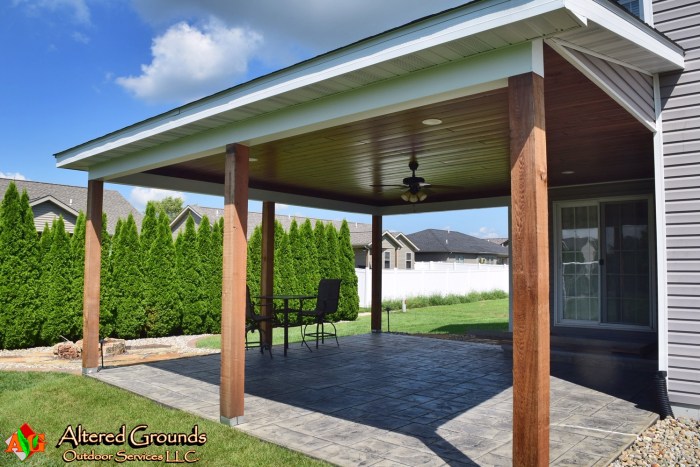
When planning a covered patio installation, there are several key factors to consider to ensure a successful and functional outdoor space. From the layout to the materials used, each decision plays a crucial role in the overall design. Here are some tips to help you navigate through the planning and design process:
Maximizing Space and Utility
To make the most out of your covered patio, consider the layout carefully. Think about how you will use the spacewhether it's for dining, entertaining, or simply relaxing. Design the patio in a way that allows for versatile use while maximizing the available space.
Utilize furniture that can serve multiple purposes, such as storage benches or foldable tables. Incorporating built-in features like counters or seating can also help optimize the area.
Integrating Lighting and Heating Elements
To extend the usability of your covered patio into the evening or cooler months, integrating lighting and heating elements is essential. Consider installing overhead lighting for ambient illumination and task lighting for specific areas like dining or cooking. LED lights are energy-efficient and can create a cozy atmosphere.
For heating, options like built-in fire pits, outdoor heaters, or even radiant heating systems can keep the space comfortable during chilly nights. Plan the placement of these elements strategically to ensure even distribution of light and warmth across the patio.
Permitting and Legal Requirements

When it comes to installing a covered patio, it is essential to consider the necessary permits and legal requirements to ensure compliance with local regulations. Failure to obtain the required permits can lead to fines, delays, or even having to remove the structure altogether.
Zoning Laws and Regulations
- Before starting the installation process, check with your local zoning department to understand the regulations that govern the construction of covered patios in your area.
- Zoning laws may dictate the size, height, setback requirements, and materials allowed for covered patio structures.
- It is crucial to adhere to these regulations to avoid any legal issues in the future.
Navigating Legal Aspects
- When hiring a professional service for covered patio installation, ensure that they are knowledgeable about local building codes and permitting requirements.
- Request copies of permits and licenses from the contractor to verify their legitimacy and compliance with the law.
- Communicate openly with your contractor about any concerns regarding permits and legal requirements to avoid misunderstandings or delays during the project.
Cost Estimation and Budgeting

When it comes to planning a covered patio installation, one of the crucial aspects to consider is the cost estimation and budgeting. Understanding the expenses involved and implementing cost-saving strategies can help you stay within your budget while achieving your desired outdoor space.
Methods for Estimating Costs
- Get multiple quotes from different contractors to compare prices and services offered.
- Consider the size of the patio, materials used, labor costs, and any additional features you want to include.
- Use online cost estimation tools to get a rough idea of the expenses involved based on your preferences.
Cost-Saving Tips and Budgeting Strategies
- Opt for cost-effective materials that are durable and require low maintenance.
- Plan ahead and avoid making last-minute changes that can increase costs.
- Do some of the work yourself, such as landscaping or painting, to save on labor expenses.
- Set a realistic budget and prioritize the elements that are essential to your patio design.
Breakdown of Expenses
| Expense Category | Average Cost Range |
|---|---|
| Patio Materials (e.g., concrete, pavers, wood) | $2,000
|
| Labor Costs | $1,000
|
| Roofing Materials (e.g., metal, polycarbonate, fabric) | $500
|
| Permits and Inspections | $100
|
| Additional Features (e.g., lighting, fans, heating) | $500
|
Installation Process

Installing a covered patio involves several steps to ensure a successful outcome. From preparing the site to final touches, each phase is crucial in creating a functional and aesthetically pleasing outdoor space.
Site Preparation
- Clear the area where the patio will be installed, removing any debris or obstacles.
- Ensure the ground is leveled and compacted to provide a stable foundation.
- Mark the layout of the patio to guide the installation process.
Frame Installation
- Construct the frame of the patio using durable materials like wood or metal.
- Secure the frame to the ground or existing structure to ensure stability.
- Check for proper alignment and measurements before proceeding to the next step.
Roofing Installation
- Add roofing material such as polycarbonate panels, shingles, or canvas to provide protection from the elements.
- Ensure proper insulation and drainage to prevent water accumulation on the roof.
- Secure the roofing material according to manufacturer's instructions for optimal performance.
Finishing Touches
- Add finishing touches like lighting, fans, or decorative elements to enhance the functionality and aesthetics of the patio.
- Inspect the entire structure for any loose connections or areas that may need reinforcement.
- Clean up the area and ensure everything is in place for immediate use.
Last Word

In conclusion, covered patio installation services offer a versatile way to extend your living space outdoors while adding value and charm to your property. By considering the various types, design considerations, legal requirements, cost estimations, and installation processes Artikeld in this guide, you'll be well-equipped to embark on your covered patio project with confidence.
FAQ
What are the benefits of a covered patio installation?
Covered patio installations provide shelter from the elements, extend the livable space of your home, and enhance the overall aesthetic appeal of your outdoor area.
What factors should be considered when planning a covered patio installation?
Key factors to consider include the size and layout of the space, desired functionality, material choices, and any legal requirements or permits needed.
How can lighting and heating elements be integrated into a covered patio design?
Lighting and heating elements can be seamlessly integrated through strategic placement of fixtures, such as overhead lights, string lights, outdoor heaters, and fire pits.
What are some cost-saving tips for a covered patio installation project?
Cost-saving tips include choosing durable yet affordable materials, considering DIY options for certain aspects of the project, and obtaining multiple quotes from different service providers.
What is the typical timeline for installing a covered patio?
The timeline for installation can vary depending on the complexity of the project, but on average, it may take anywhere from a few days to a couple of weeks to complete.